Research
Indigenous-colonial Latin American history, Mesoamerican visual culture, and digital heritage
My research sits at the intersection of colonial Latin American history, art history, archaeology, and digital humanities. I investigate how Indigenous communities in Mexico created, maintained, and adapted knowledge systems under Spanish colonialism. This work unfolds across five interconnected thematic clusters.
Colonial Education and Learningscapes

How did Nahua ("Aztec") education survive the traumatic disruptions of the Spanish invasion? My first monograph, An Unholy Pedagogy: Visions of Learning from Mesoamerica, 1300 to 1650 (Cambridge University Press, 2026), rethinks education studies by centering Indigenous visions of learning. I track education systems before the Spanish-Catholic invasion, examining the writings, art, and architecture of Nahua communities. By analysing Nahuatl primary sources and historical art and archaeological evidence, I reveal how Nahua students transformed pedagogy, shaped learning, and preserved local knowledge in the first schools of the Americas.
Key Publications
- Fitzgerald, Joshua Jacob. An Unholy Pedagogy: Visions of Learning from Mesoamerica, 1300 to 1650. Cambridge Latin American Studies. Cambridge: Cambridge University Press, 2026.
- Fitzgerald, Joshua Jacob. "Mistaken Places: Mesoamerican Meaning in the Sixteenth-Century Catholic Courtyards of Mexico." In Place Meaning and Attachment, edited by Dak Kopec and AnnaMarie Bliss, 80-91. London: Routledge, 2020.
Nahua Visual and Material Culture
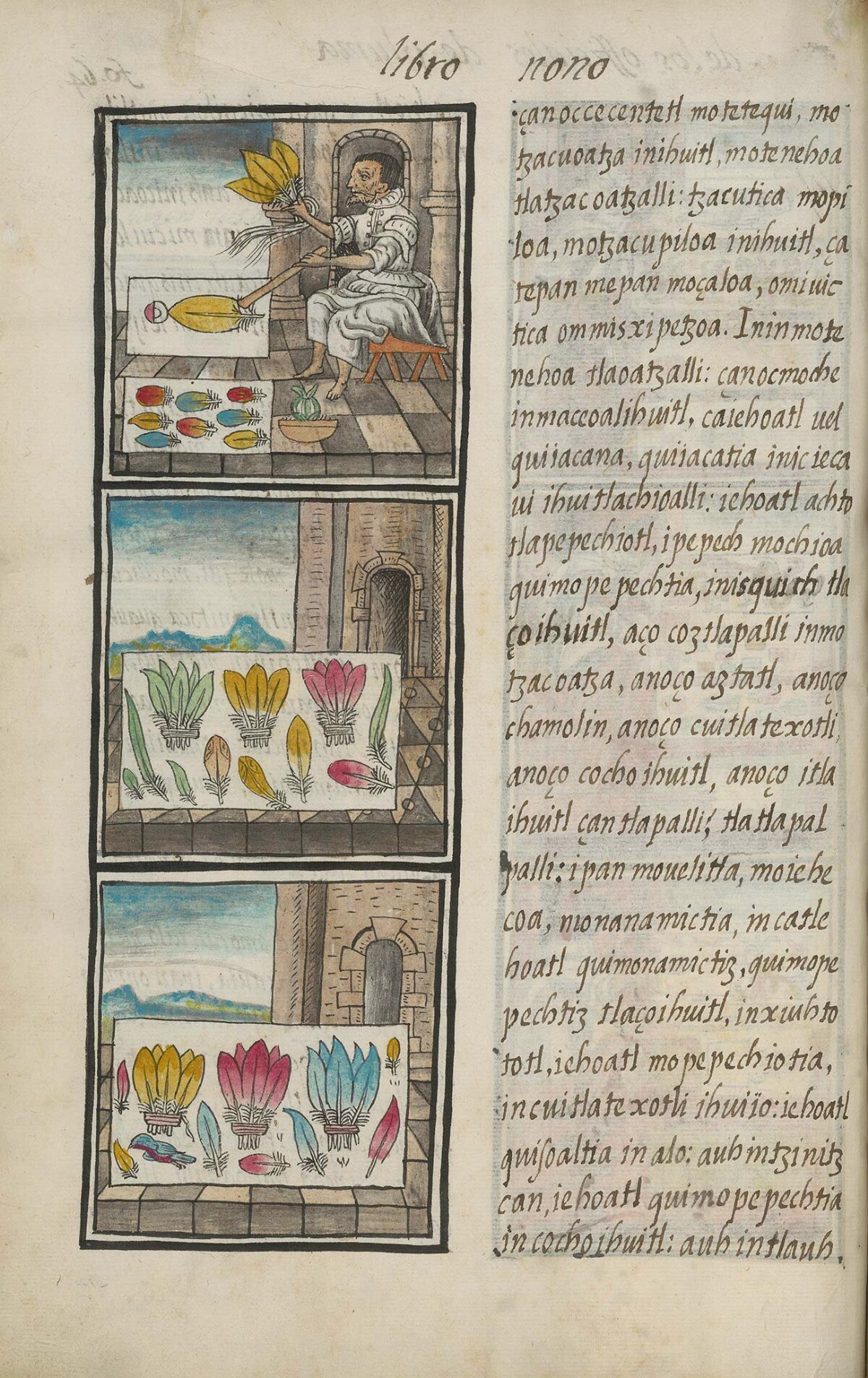
A significant strand of my work examines how Nahua artists, scribes, and communities used visual and material culture to assert agency, preserve knowledge, and negotiate colonial power. I have published on warrior women and martial mothers in the Florentine Codex, demonstrating how Indigenous artists depicted gendered power in ways that challenge Western assumptions about Mesoamerican society. I am currently developing a book manuscript, Mesoamerica's Mothers in the Making, which redefines the dimensions of powerful Indigenous women at the crossroads of Spanish colonialism.
Key Publications
- Fitzgerald, Joshua Jacob. "Visualizing Martial Mothers, Eagle-Women, and Water Warriors in the Florentine Codex." Getty Research Journal, no. 16 (2022): 41-66. DOI
- Fitzgerald, Joshua. "Rethinking the Double-Headed Serpent at the British Museum." Mexicolore, 2022.
Games, Digital Media, and Heritage
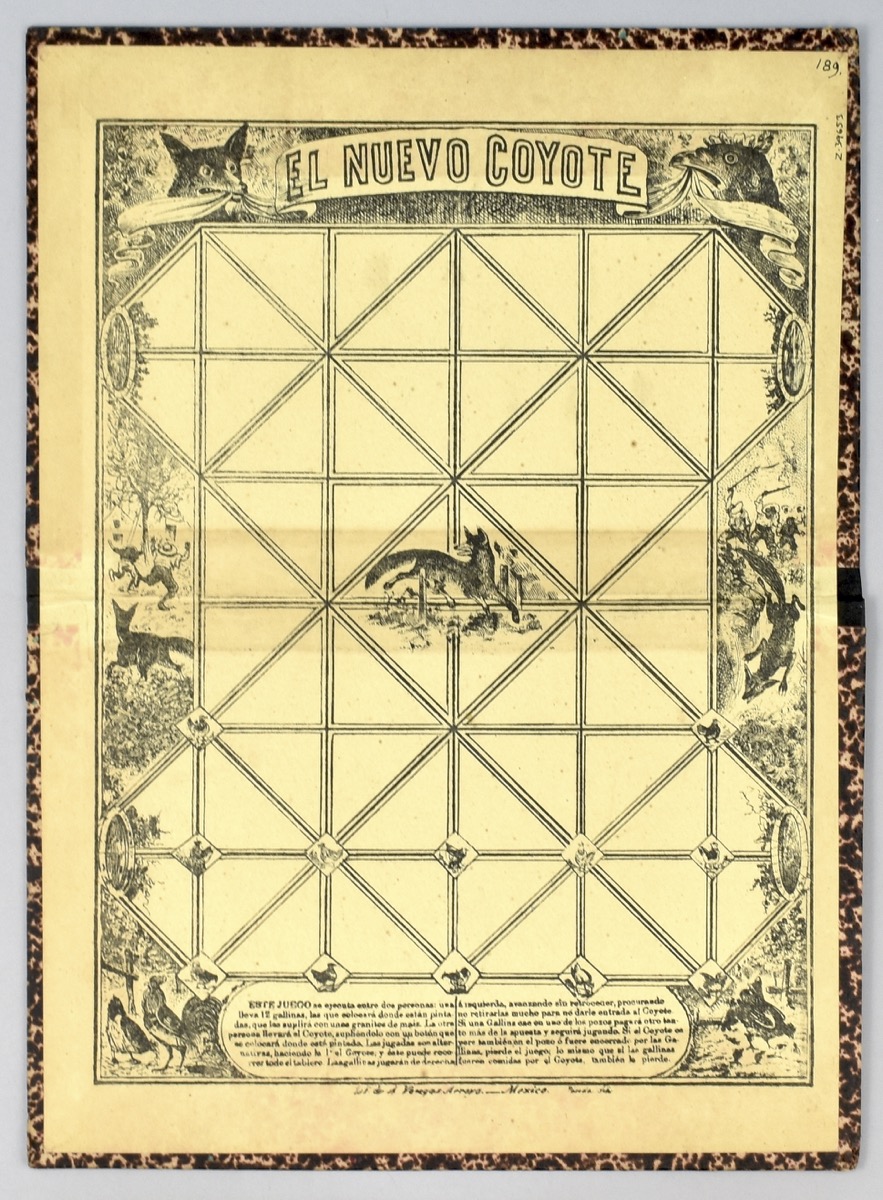
I investigate how Mesoamerican cultures are represented in video games, board games, and digital media, interrogating the colonial affordances embedded in popular digital experiences. My article "As the Digital Teocalli Burns" examines how gamified representations of Mesoamerica displace sacred spaces and reproduce colonial narratives. I co-created the "Re-Imagining Coyote" augmented reality exhibition at the Museum of Archaeology and Anthropology in Cambridge, which traveled internationally to Tijuana and San Diego. A second monograph, Ready Conquistador 1: Digital Colonial Game vs. Mesoamerican Heritage, is in progress.
Key Publications
- Fitzgerald, Joshua Jacob. "As the Digital Teocalli Burns: Mesoamerica as Gamified Space and the Displacement of Sacred Pixels." Review of International American Studies 16, no. 1 (2023): 259-306. DOI
- Fitzgerald, Joshua Jacob. "An Innovative Inkwell: Posada's Games, Nuevo Coyote's Pozos, and the Art of Play in Nineteenth-Century Mexico." Latin American and Latinx Visual Culture 8, no. 3 (June 2026). Forthcoming
Ethnobotany and Foodways
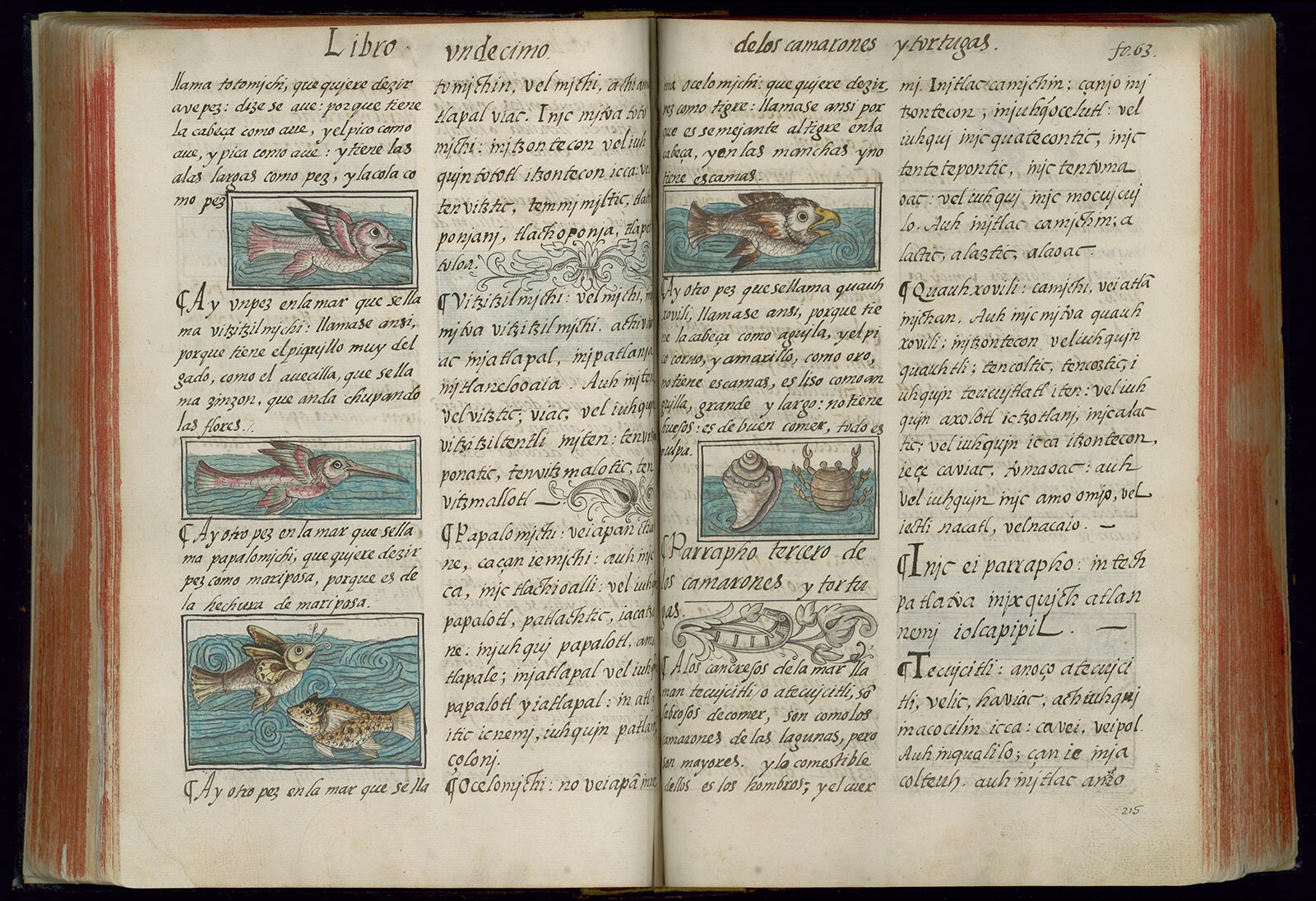
Mesoamerican food culture was deeply intertwined with art, ritual, and knowledge systems. My research explores how amaranth and chia, two critical seed crops, functioned not merely as food but as materials for sculpture, timekeeping, and ritual practice. I examine how Nahua women served as timekeepers, "mountain killers," and dough-body crafters, shaping food into powerful cultural objects. This work contributes to broader conversations about Indigenous knowledge systems, embodied practices, and the intersection of food studies with art history and archaeology.
Key Publications
- Fitzgerald, Joshua Jacob. "Tlaloc's Cheeky Charms: Colouring in the Ethnobotanical Visions of Amaranth and Chia in Postclassic Aztec Food-Art and Sculpture." Archaeological Review from Cambridge 40, no. 1 (May 2025): 73-91.
- Fitzgerald, Joshua Jacob. "Aztec Paste Makers and Breakers: Ritual Tools for Crafting Food-Art." In Food Production and Gender across the Early Modern World. Routledge. Forthcoming
Manuscripts, Digital Humanities, and AI
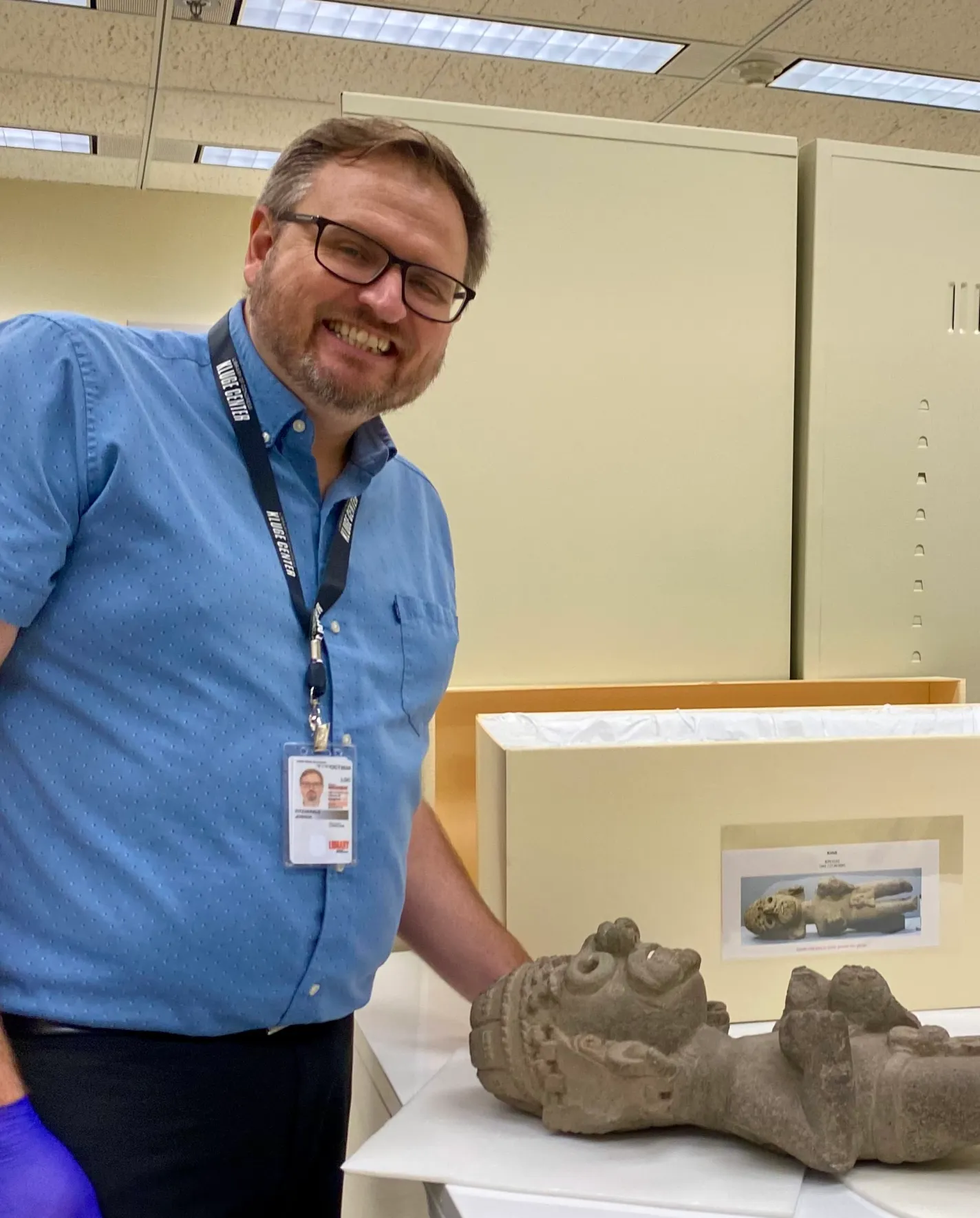
I am leading the first comprehensive study of a sixteenth-century Nahuatl-Latin lectionary in the British and Foreign Bible Society's collection at the Cambridge University Library (BFBS MS 375). This work, conducted through the Hidden in Plain Sight Project with Queen Mary University of London, investigates "Aztec Tipp-Ex": Indigenous technologies used akin to modern liquid paper, recovering erased artwork and Mesoamerican glyphs in colonial manuscripts. In collaboration with the AI Research for Cultural Heritage Hub (ArCH) at Cambridge's ai@cam initiative, I use computer vision and machine learning to detect and analyse material interventions across a growing corpus of Indigenous-colonial texts.
Key Publications
- Fitzgerald, Joshua. "The Bible Society's First Mexican Gospels and the Polyglot Scot Who Would Learn Nahuatl." Cambridge University Library Special Collections Blog, July 4, 2025. Read online
- Panel descriptions for "Book 12: Spanish Conquest," in Digital Florentine Codex, Getty Research Institute. View project